Explore all our board games! Right here

Explore all our board games! Right here

Great War at Sea - Jutland 1919

Reference: APL0881

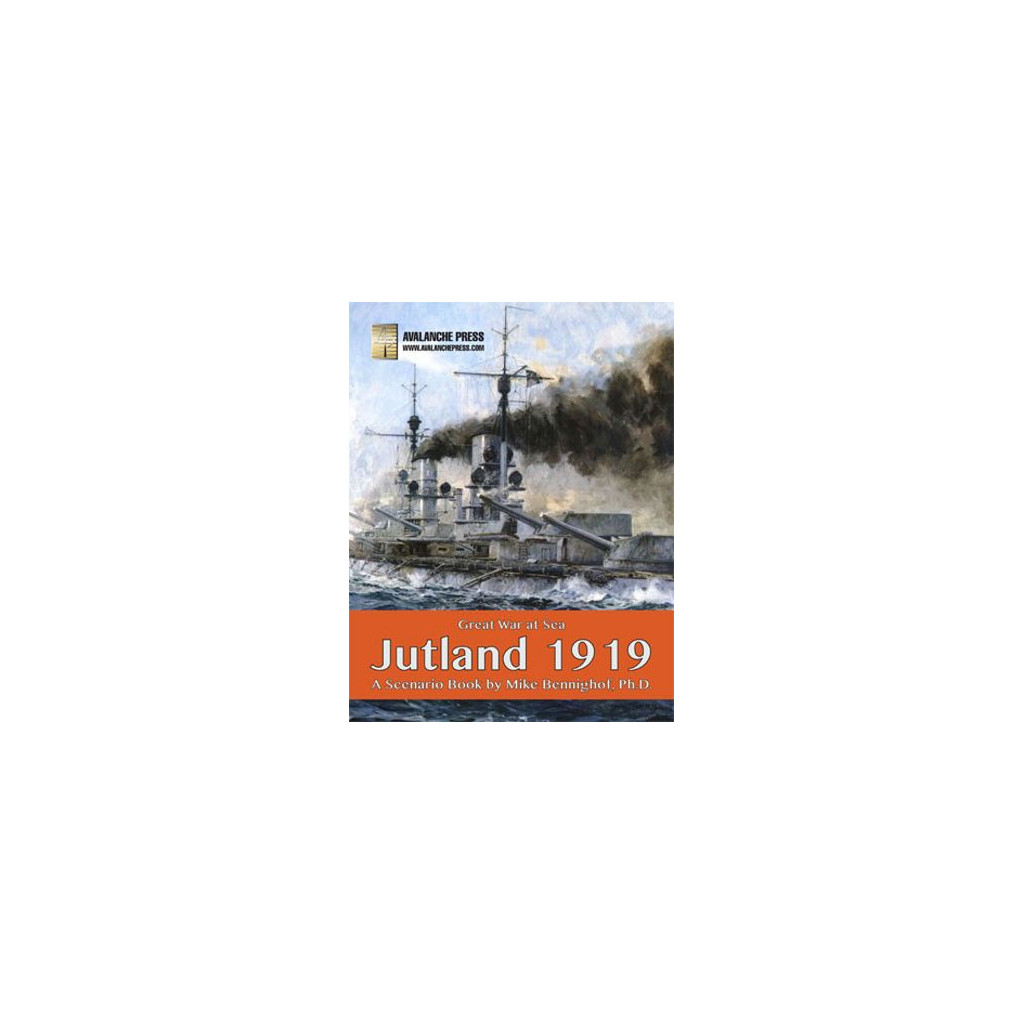
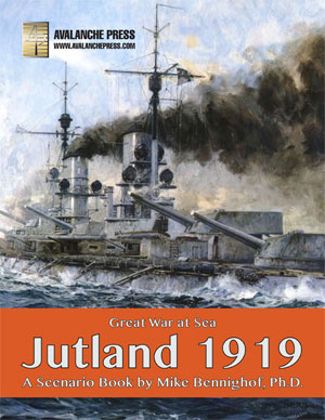
Jutland 1919 is a supplement for our Great War at Sea: Jutland game, studying these drawing-board battleships that would never actually be launched. It includes background essays, thirty-one new scenarios, and 80 new silky-smooth die-cut playing pieces.
  • English
  • From 14 years old

35,90€

  • Shipping costs from €1.95 - Free shipping on orders over €60 (metropolitan France)

  • Your order will be shipped with care

  • Secure payment

  • Description
  • Technical sheet

Great War at Sea - Jutland 1919

Description

A supplement for Great War at Sea: Jutland

Imperial Germany laid down her last dreadnought in January 1915, and never completed her. But planning continued for new classes of battleships, battle cruisers, armored cruisers and scout cruisers. All understood that they could not possibly be built during the course of the ongoing First World War, but would be laid down afterwards. Reflecting the lessons first of the battles of the Falklands, Coronel and Helgoland Bight, and eventually those of Jutland, the new German designs continued to emphasize protection. At the urging of sea officers, the new ships also now carried armament equal to that of the British, and would make much higher speeds as well. Across the North Sea, the British Admiralty had no clear idea of what the Germans might be planning to build, but could state with certainty that they and other potential enemies would continue to improve their warships. New British dreadnoughts would carry ever-more-powerful armaments, including a new, secret 18-inch gun.
Technical sheet

  • Language(s)
  • Book cover
  • Country of origin
  • Warning(s)
    Warning! Not suitable for children under 3 years of age. Small parts. Choking hazard.
  • EAN 9781932091717
  • Publishers Avalanche Press

Description

A supplement for Great War at Sea: Jutland

Imperial Germany laid down her last dreadnought in January 1915, and never completed her. But planning continued for new classes of battleships, battle cruisers, armored cruisers and scout cruisers. All understood that they could not possibly be built during the course of the ongoing First World War, but would be laid down afterwards. Reflecting the lessons first of the battles of the Falklands, Coronel and Helgoland Bight, and eventually those of Jutland, the new German designs continued to emphasize protection. At the urging of sea officers, the new ships also now carried armament equal to that of the British, and would make much higher speeds as well. Across the North Sea, the British Admiralty had no clear idea of what the Germans might be planning to build, but could state with certainty that they and other potential enemies would continue to improve their warships. New British dreadnoughts would carry ever-more-powerful armaments, including a new, secret 18-inch gun.
Technical sheet

  • Language(s)
  • Book cover
  • Country of origin
  • Warning(s)
    Warning! Not suitable for children under 3 years of age. Small parts. Choking hazard.
  • EAN 9781932091717
  • Publishers Avalanche Press
Congratulations
Your product has been added to the cart.
My cart
( items)
( item)
( items)
( item)
Add wish list

Select the list of your choice

You must be logged in to edit your wish lists.

Log in