Explore all our board games! Right here
Explore all our board games! Right here

Reference: UWU01006
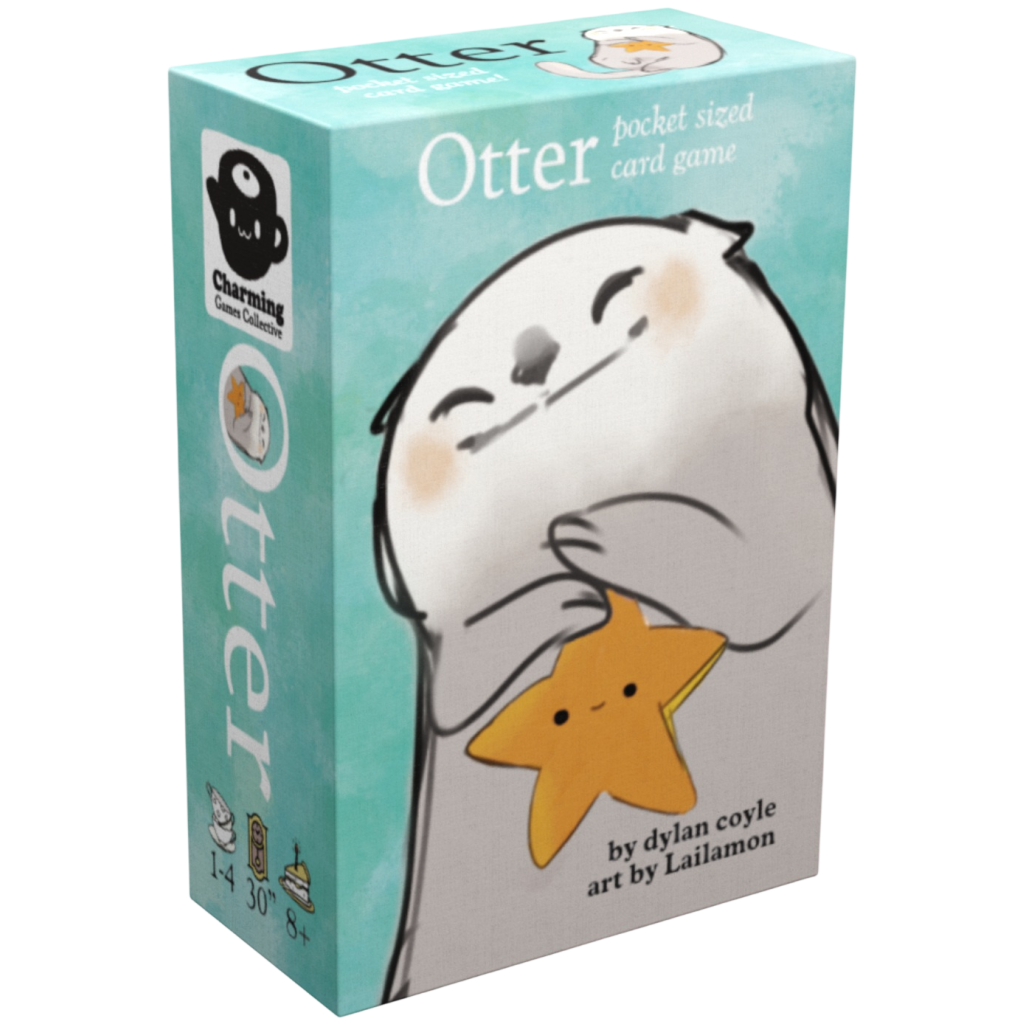
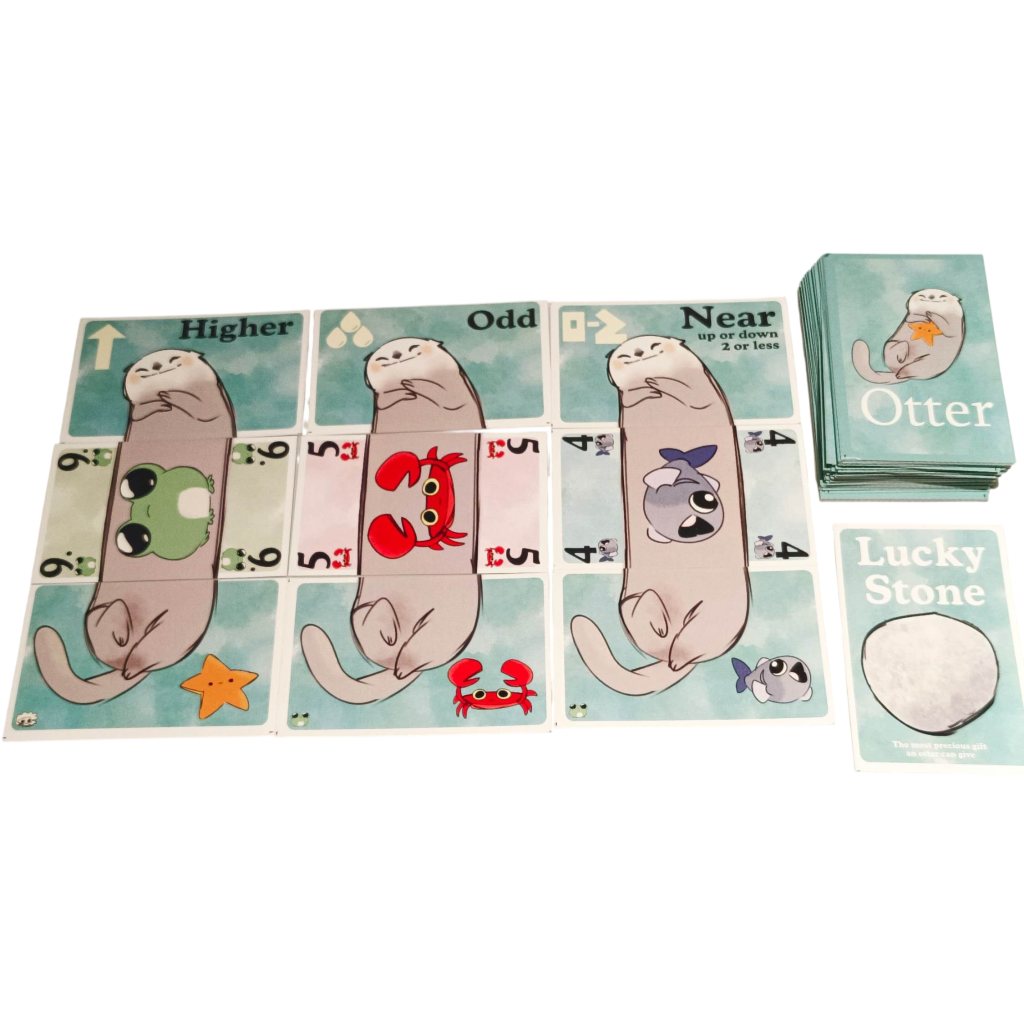
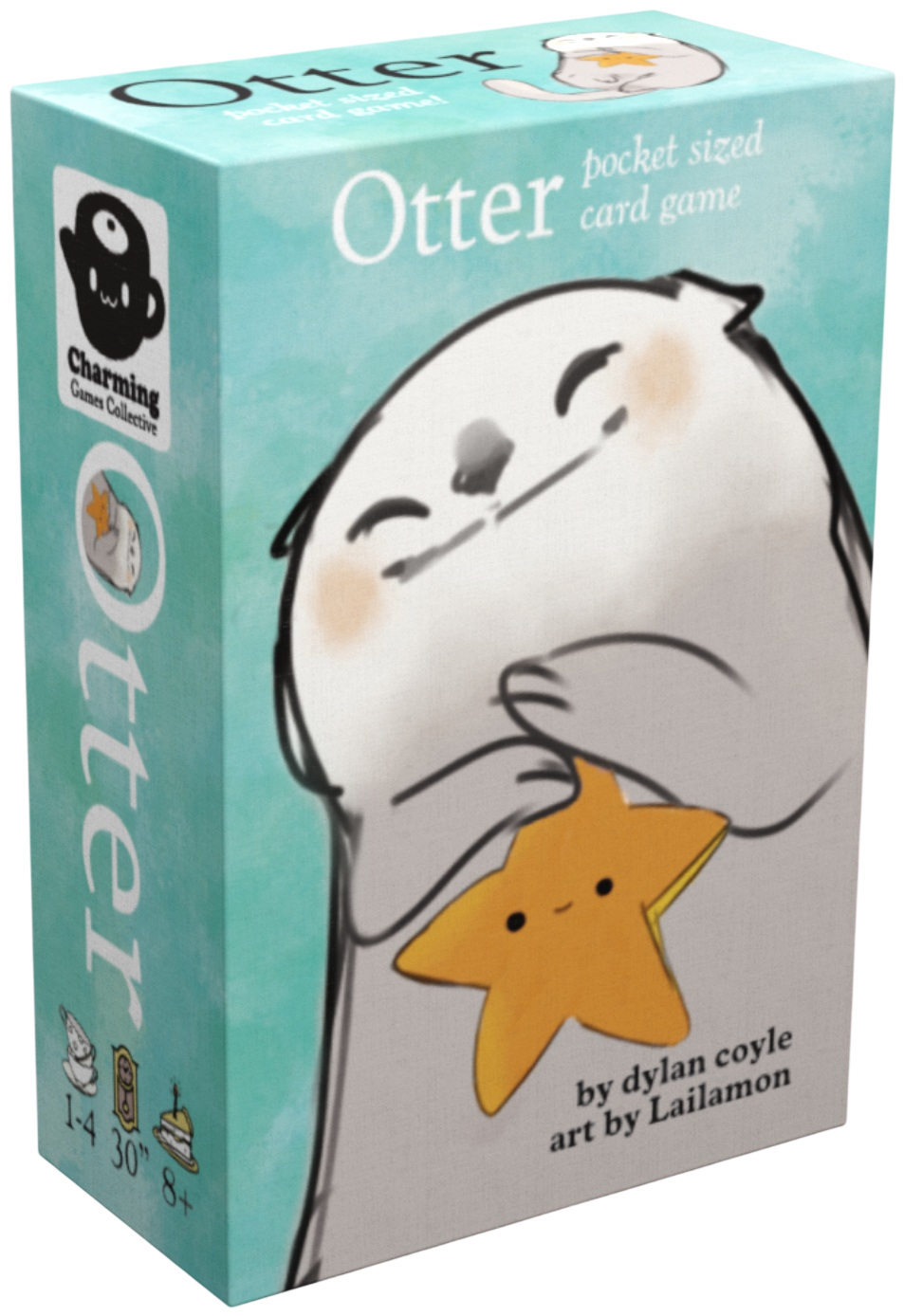
Otter Second Edition is a discard game: place your cards on three otters, matching them to their heads or tails, to be the first to empty your hand.
19,95€
€
€
€

Shipping costs from €1.95 - Free shipping on orders over €60 (metropolitan France)

Your order will be shipped with care

Secure payment

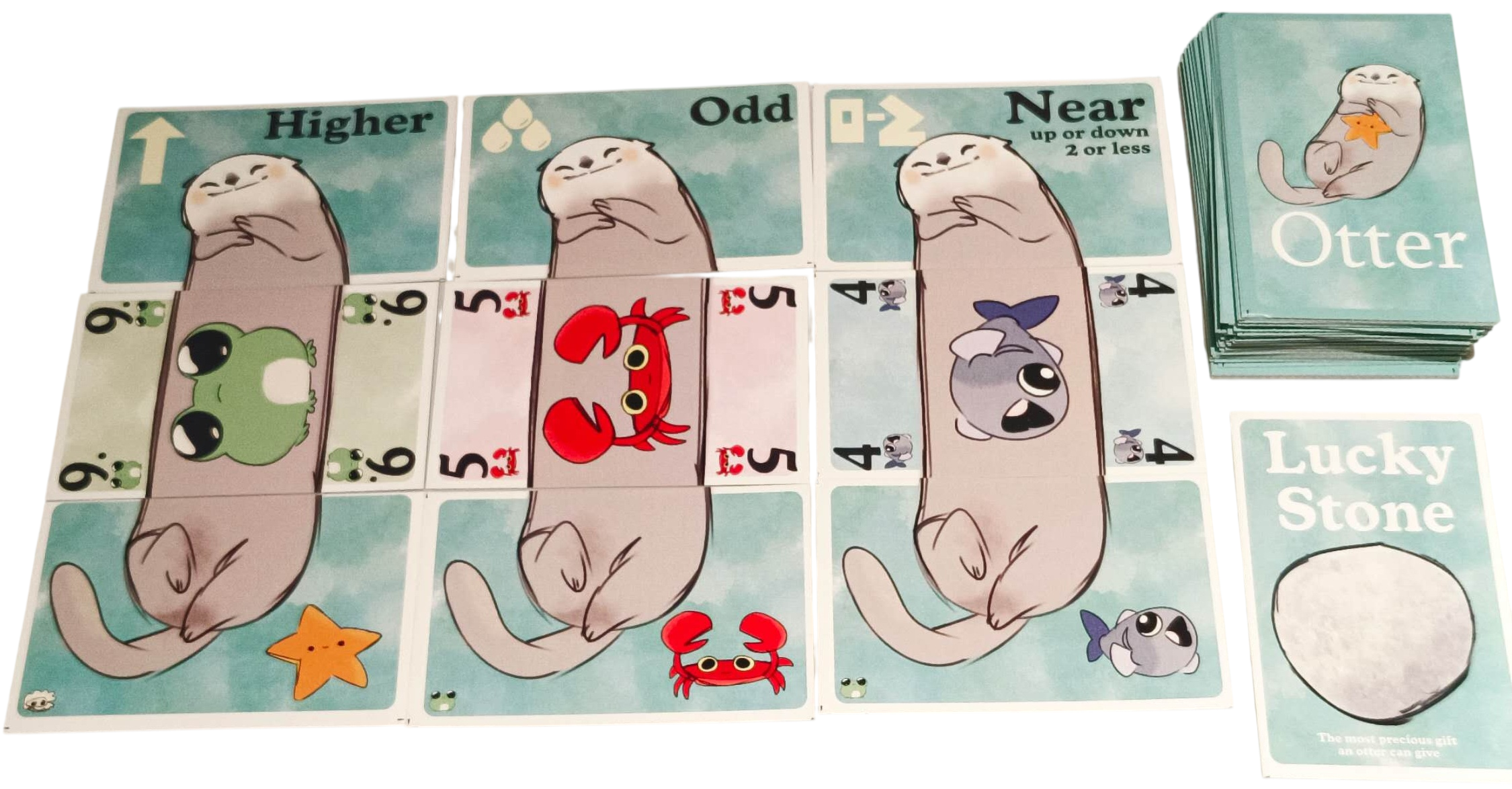
In Otter Second Edition, players aim to empty their hands of cards depicting sea creatures (frogs, fish, starfish, clams, crabs) by placing them on three otters arranged in the center of the table. Each otter has a head, which dictates a number rule, and a tail, which dictates a color rule: players need only meet one of the two conditions to play a card, and meeting both allows them to immediately play another card on the same otter.
The game’s originality lies in the ability to draw a card to flip or swap an otter’s head or tail before playing, which changes the rules mid-game at the cost of an additional card in your hand. Unplayed cards are carried over from one round to the next, encouraging players to bide their time to set up powerful combinations.
Setup involves arranging the three cardboard heads and three tails to form the three otters, then dealing a hand of cards to each player. A turn consists of two phases: the high tide phase, during which a player may draw up to three cards to flip or swap the otters’ rules, and the low tide phase, during which the player must place a card on an otter, matching either its head or its tail.
If there is a double match, the player may immediately play another card on the same otter, extending their turn as long as the rules allow.
The round ends as soon as a player manages to discard all the cards in their hand using the three otters laid out on the table. The cards remaining in the other players’ hands are carried over to the next round rather than being counted as penalty points, which distinguishes *Otter Second Edition* from traditional discard games.
The exact number of rounds required to win the entire game could not be confirmed with certainty based on available sources: to be verified in the complete rules before publication.

