Explore all our board games! Right here
Explore all our board games! Right here
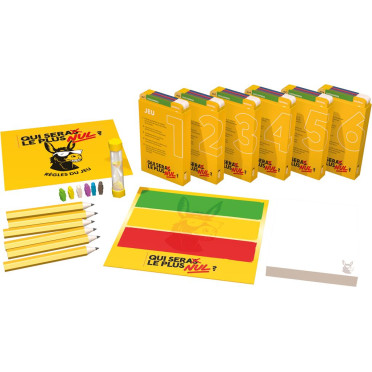
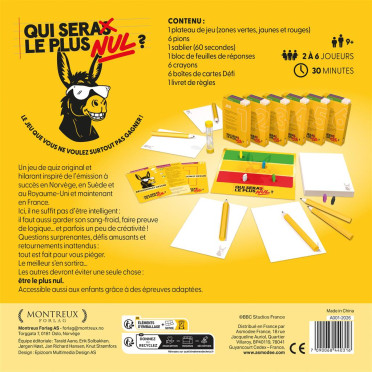
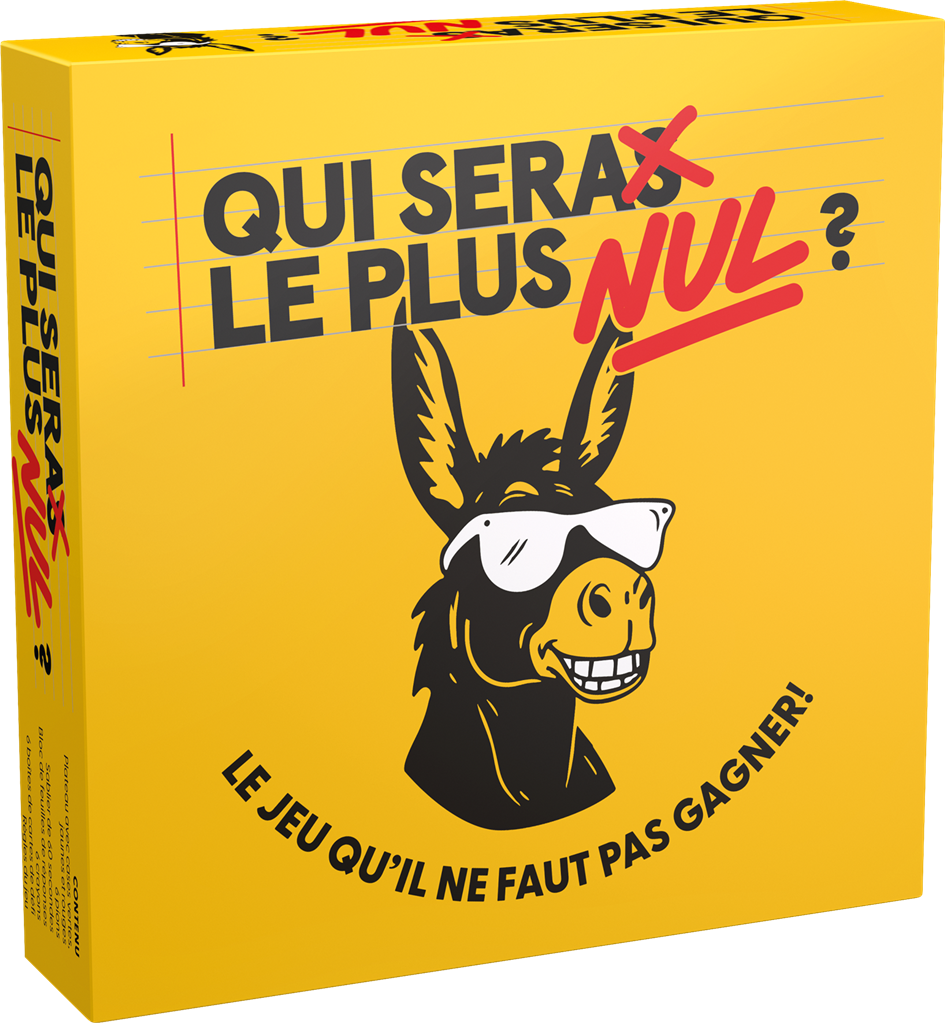
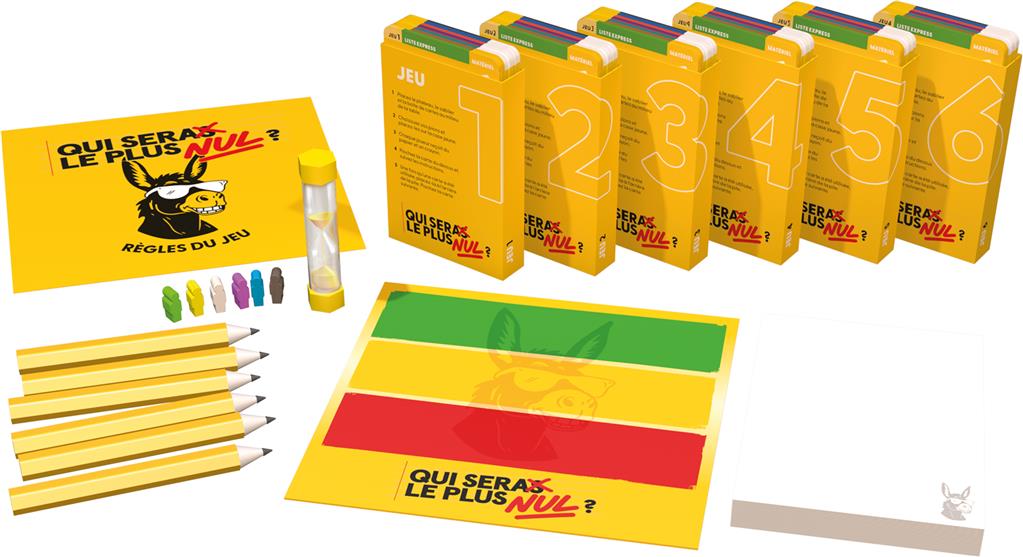

Reference: MONQSN0101FR
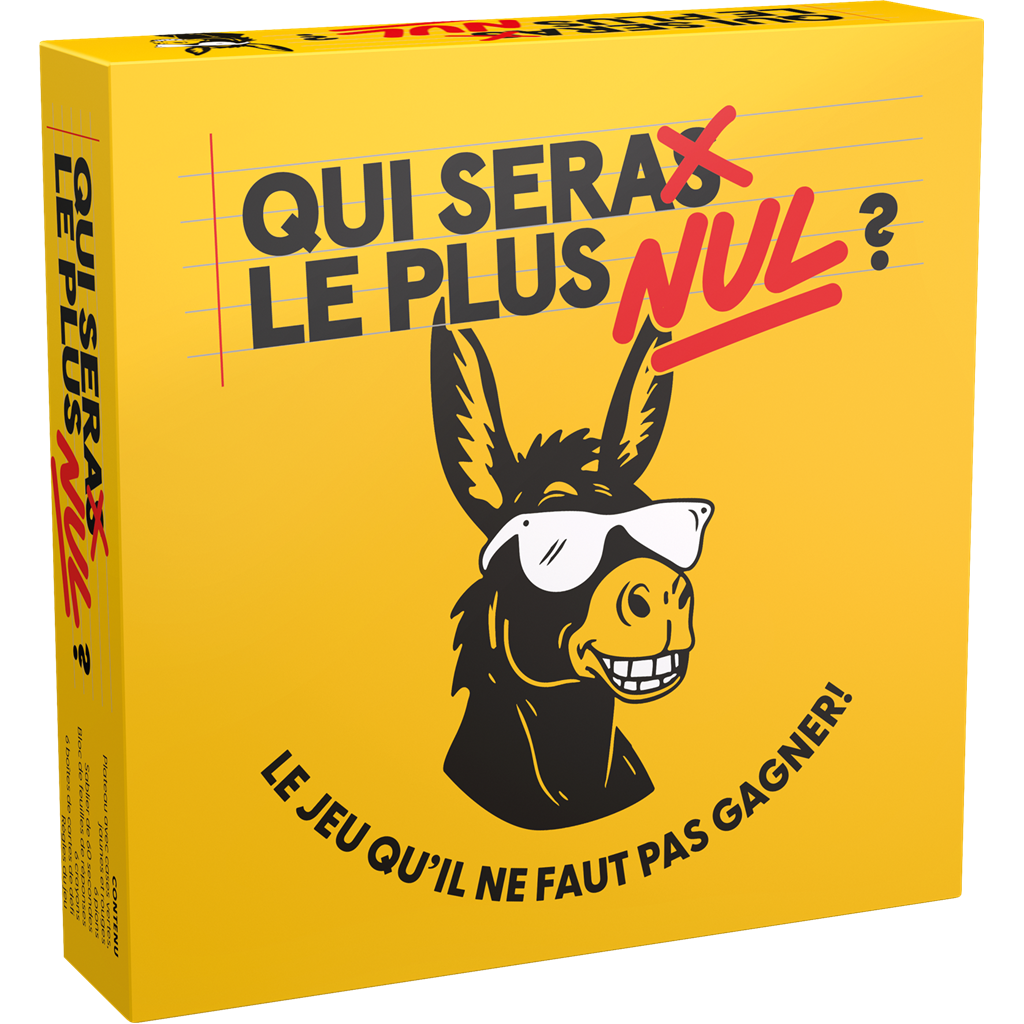
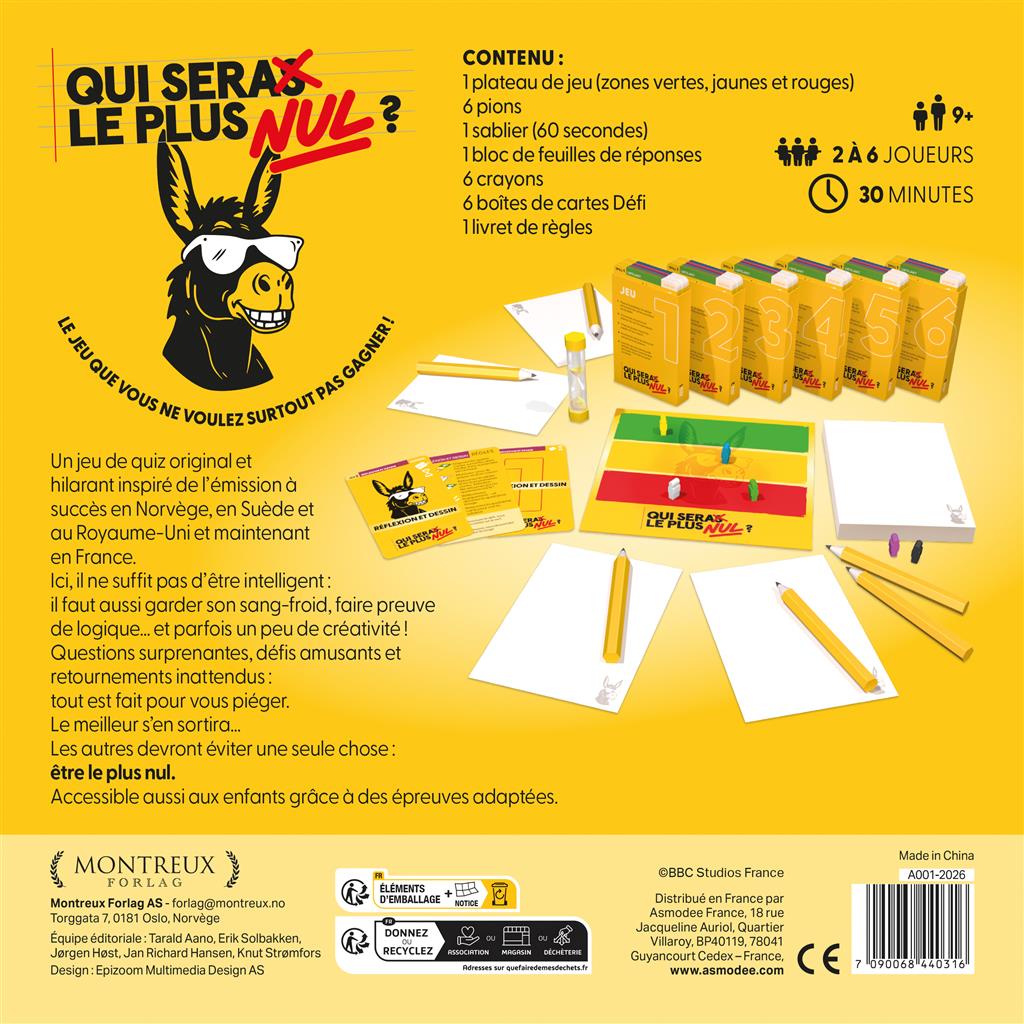
“Who's the Biggest Loser?” is a party game where the goal isn't to win, but to leave the game before you become the biggest loser!
22,50€
€
€
€

Shipping costs from €1.95 - Free shipping on orders over €60 (metropolitan France)

Your order will be shipped with care

Secure payment
The goal of the game is the opposite of most board games: the aim is to pass general knowledge, logic, or memory challenges to leave the game as quickly as possible, rather than trying to stay in it.
Its originality lies precisely in this reversal of the usual objectives, which turns failure into a situation to be avoided at all costs and success into a way to get out of the game.
Throughout the game, players face different types of challenges, m
combining general knowledge questions, speed and logic challenges, memory exercises, as well as oral, written, or team-based challenges depending on the version. Each player who passes their challenge is “freed” and leaves the table, while the others continue to compete until only one remains.
The player still at the table once everyone else has been eliminated is crowned “the biggest loser” and receives a parody trophy that no one really wants.
This deliberately mocking conclusion captures the self-deprecating spirit of the TV show, creating a friendly party atmosphere where failure becomes a source of amusement rather than disappointment.
