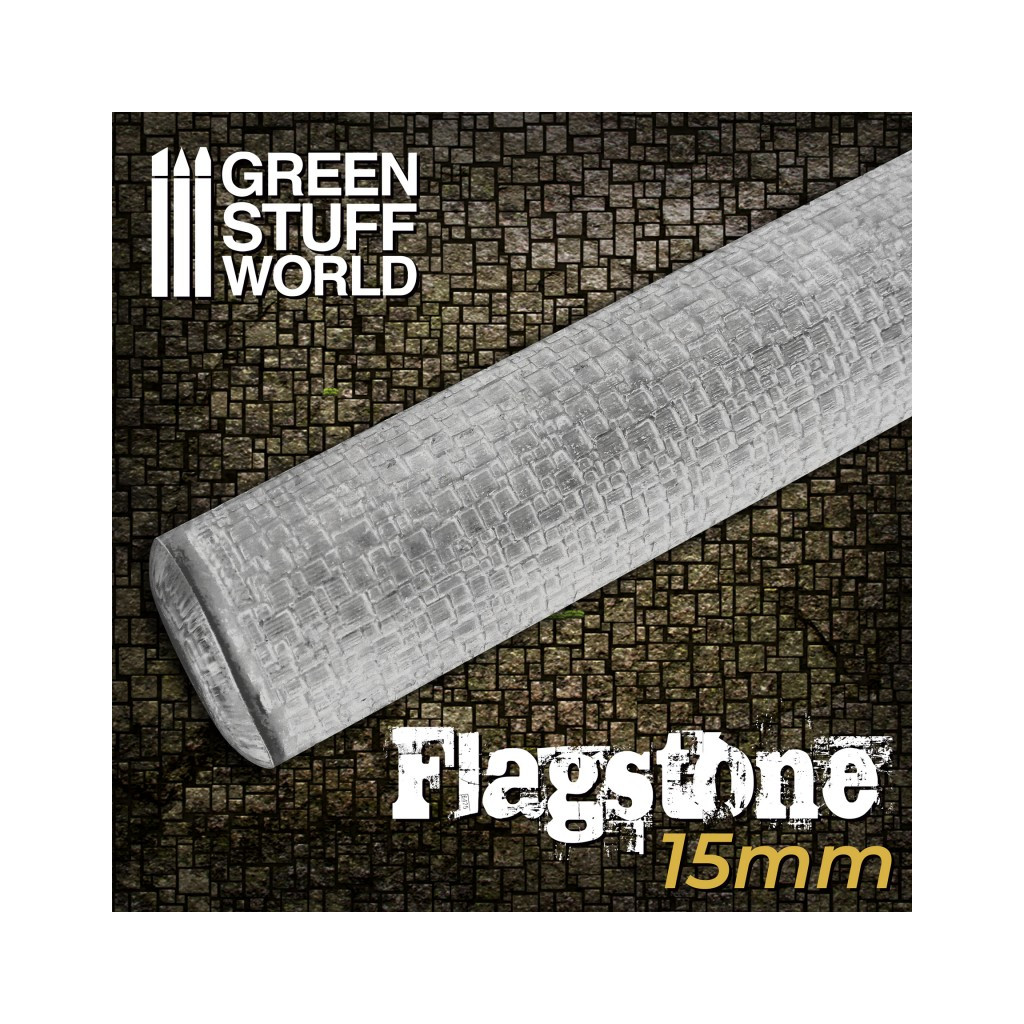
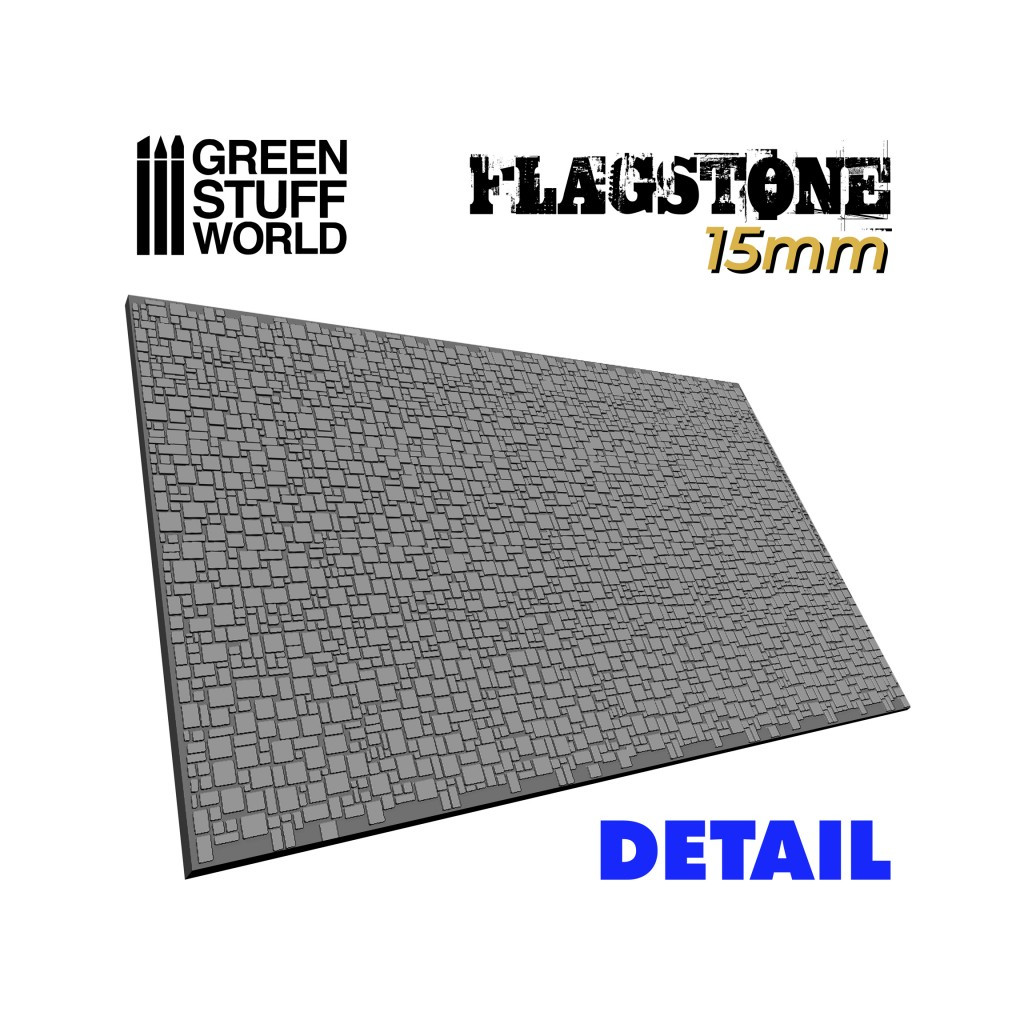
Rolling Pin Flagstone 15mm

Reference: GSW-2950

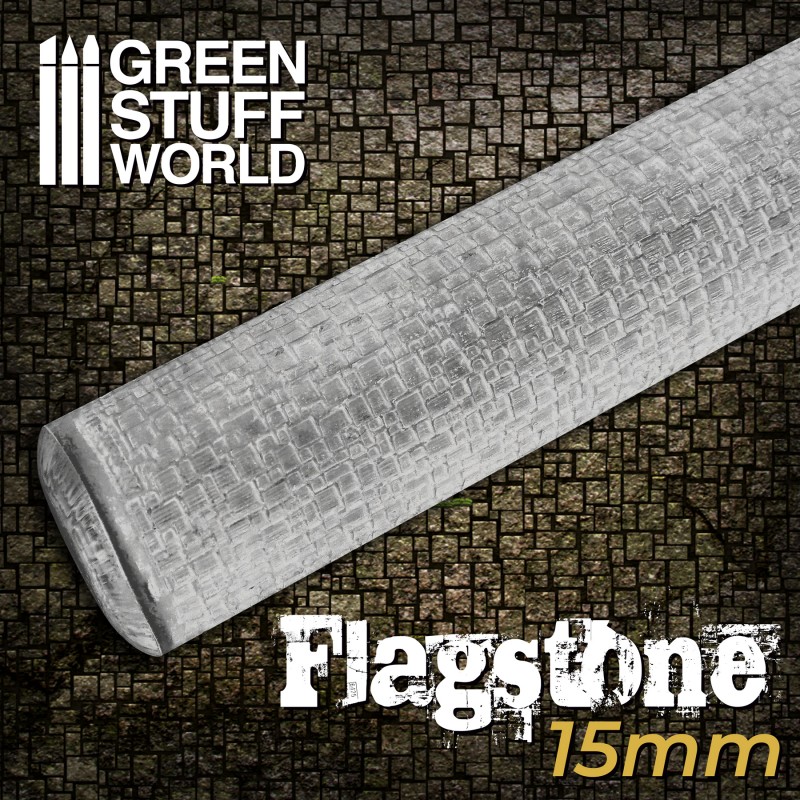
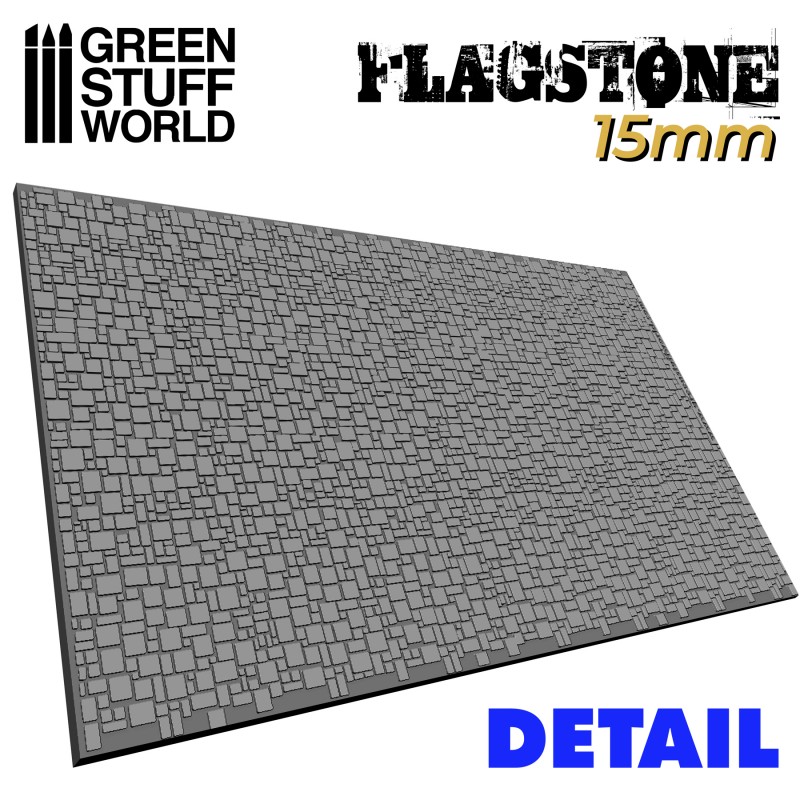
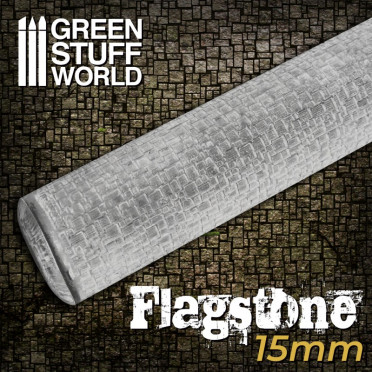
Textured rolling pin made of clear PMMA plastic with amazing non-stick properties. Length: 14.50 cm (5'5 inches) Diameter: 2.5 cm (1 inch) Pattern Size: 1-4 mm

13,50€

  • Shipping costs from €1.95 - Free shipping on orders over €60 (metropolitan France)

  • Your order shipped within 24 hours

  • Secure payment

  • Description
  • Technical sheet

Rolling Pin Flagstone 15mm

Description

USE INSTRUCTIONS: 

1st - Properly mix the putty/clay until ready according to the manufacturer's recommendations. 
2nd - Extend the putty/clay on a surface to be textured. For optimal results, make sure you have got a smooth and even surface before impressing with the Rolling Pins. We recommend using a plain Rolling Pin for this. 
3rd - Depending on the type of putty/clay, it is advisable to wet the Rolling Pin to prevent any sticking. 
4th - Slowly move the Rolling Pin applying equal pressure at all points for an even texture. 
5th - Trim any excess putty/clay with a sharp knife. It is recommended to do this once it has dried to avoid any deformations in the putty/clay. 

MATERIALS: 

There are plenty of different putties and clays on the market and all of them can be textured using the proper technique. 
Usually polymer clay (Fimo or Sculpey type) are quite simple to work with these Rolling Pins as they allow for an easy correction of mistakes before they are baked. If the aim is to make textured bases, we recommend using MDF bases, because you can texture the polymer clay directly onto an MDF base, and then put it all in the oven, including the base. The cooking time of these clays are around 15 minutes at 150ºC. MDF Wood may leave a slight scent similar to that of toasted bread, but don't worry it won’t burn! 

In the case of epoxy putties, there are a variety of techniques which achieve similar results. Good thing is. you do not need to bake them, so they may be applied directly onto plastic bases. For Green Stuff putty, which is particularly sticky, it is required to slightly wet either the putty or the Rolling Pin with some water before texturing. You may also reduce the stickiness by applying talcum powder, or using Sculptor Vaseline. Other epoxy putties like the Milliput putty, for example, are also suitable, but we wouldn't recommend to wet them much since it will hinder your work. Furthermore, if the mixture is too sticky, it is better to continue kneading until the stickiness is gone. For this type of epoxy putties, it is very important to clean the rolling pins properly after use. 

CARE INSTRUCTIONS: 

After working with the Rolling Pins, use a Scratch Brush and plenty of water to clean off any residue on the Rolling Pins if required.
Technical sheet

  • Product Type
  • Equipment
  • Country of origin
  • Warning(s)
    Warning! Not suitable for children under 3 years of age. Small parts. Choking hazard.
  • EAN 8435646503103
  • Publishers Green Stuff World

Description

USE INSTRUCTIONS: 

1st - Properly mix the putty/clay until ready according to the manufacturer's recommendations. 
2nd - Extend the putty/clay on a surface to be textured. For optimal results, make sure you have got a smooth and even surface before impressing with the Rolling Pins. We recommend using a plain Rolling Pin for this. 
3rd - Depending on the type of putty/clay, it is advisable to wet the Rolling Pin to prevent any sticking. 
4th - Slowly move the Rolling Pin applying equal pressure at all points for an even texture. 
5th - Trim any excess putty/clay with a sharp knife. It is recommended to do this once it has dried to avoid any deformations in the putty/clay. 

MATERIALS: 

There are plenty of different putties and clays on the market and all of them can be textured using the proper technique. 
Usually polymer clay (Fimo or Sculpey type) are quite simple to work with these Rolling Pins as they allow for an easy correction of mistakes before they are baked. If the aim is to make textured bases, we recommend using MDF bases, because you can texture the polymer clay directly onto an MDF base, and then put it all in the oven, including the base. The cooking time of these clays are around 15 minutes at 150ºC. MDF Wood may leave a slight scent similar to that of toasted bread, but don't worry it won’t burn! 

In the case of epoxy putties, there are a variety of techniques which achieve similar results. Good thing is. you do not need to bake them, so they may be applied directly onto plastic bases. For Green Stuff putty, which is particularly sticky, it is required to slightly wet either the putty or the Rolling Pin with some water before texturing. You may also reduce the stickiness by applying talcum powder, or using Sculptor Vaseline. Other epoxy putties like the Milliput putty, for example, are also suitable, but we wouldn't recommend to wet them much since it will hinder your work. Furthermore, if the mixture is too sticky, it is better to continue kneading until the stickiness is gone. For this type of epoxy putties, it is very important to clean the rolling pins properly after use. 

CARE INSTRUCTIONS: 

After working with the Rolling Pins, use a Scratch Brush and plenty of water to clean off any residue on the Rolling Pins if required.
Technical sheet

  • Product Type
  • Equipment
  • Country of origin
  • Warning(s)
    Warning! Not suitable for children under 3 years of age. Small parts. Choking hazard.
  • EAN 8435646503103
  • Publishers Green Stuff World
Congratulations
Your product has been added to the cart.
My cart
( items)
( item)
( items)
( item)
Add wish list

Select the list of your choice

You must be logged in to edit your wish lists.

Log in