Explore all our board games! Right here
Explore all our board games! Right here

Reference: LRG3101
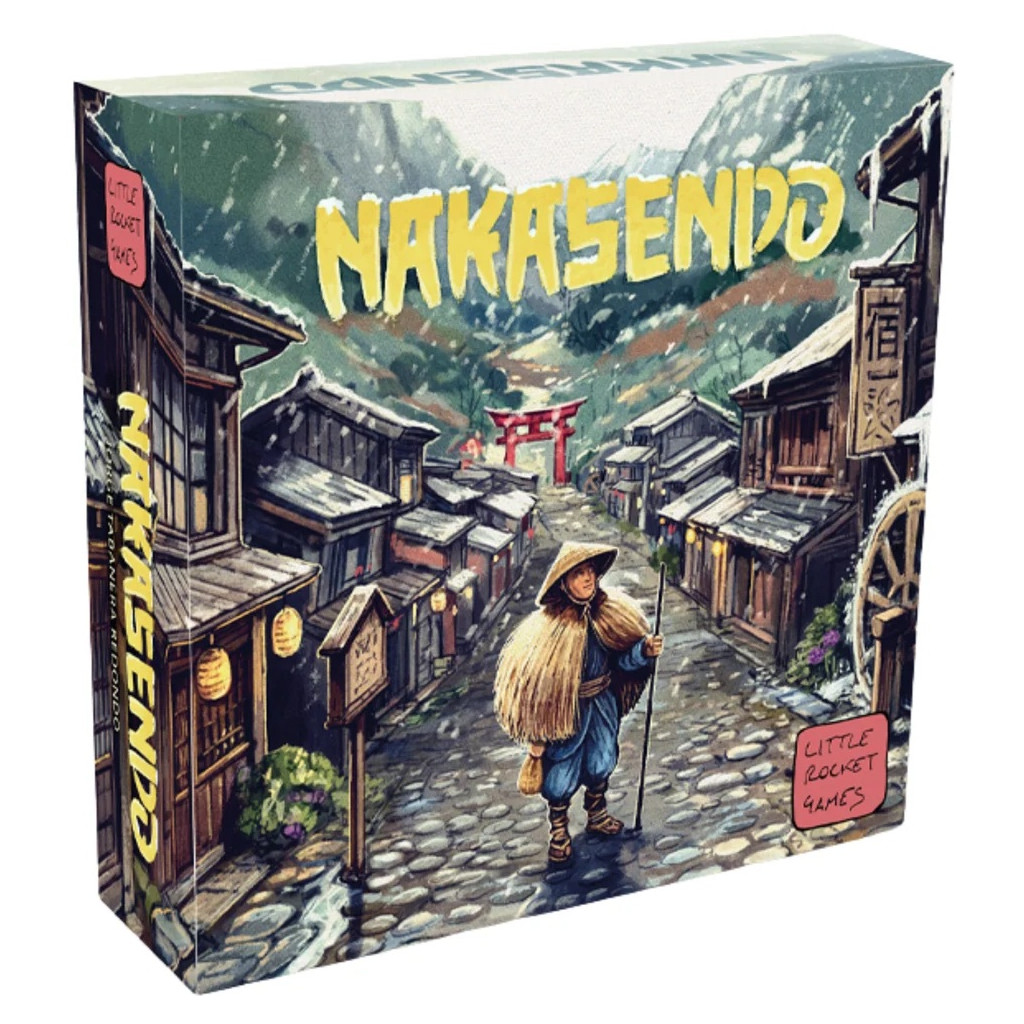
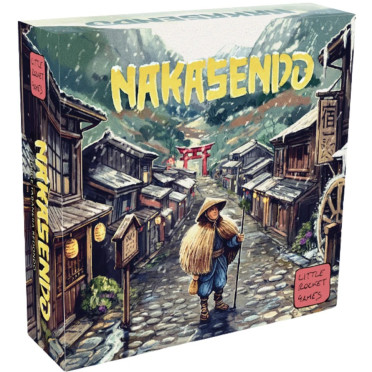
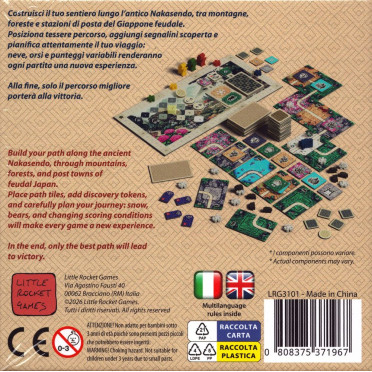
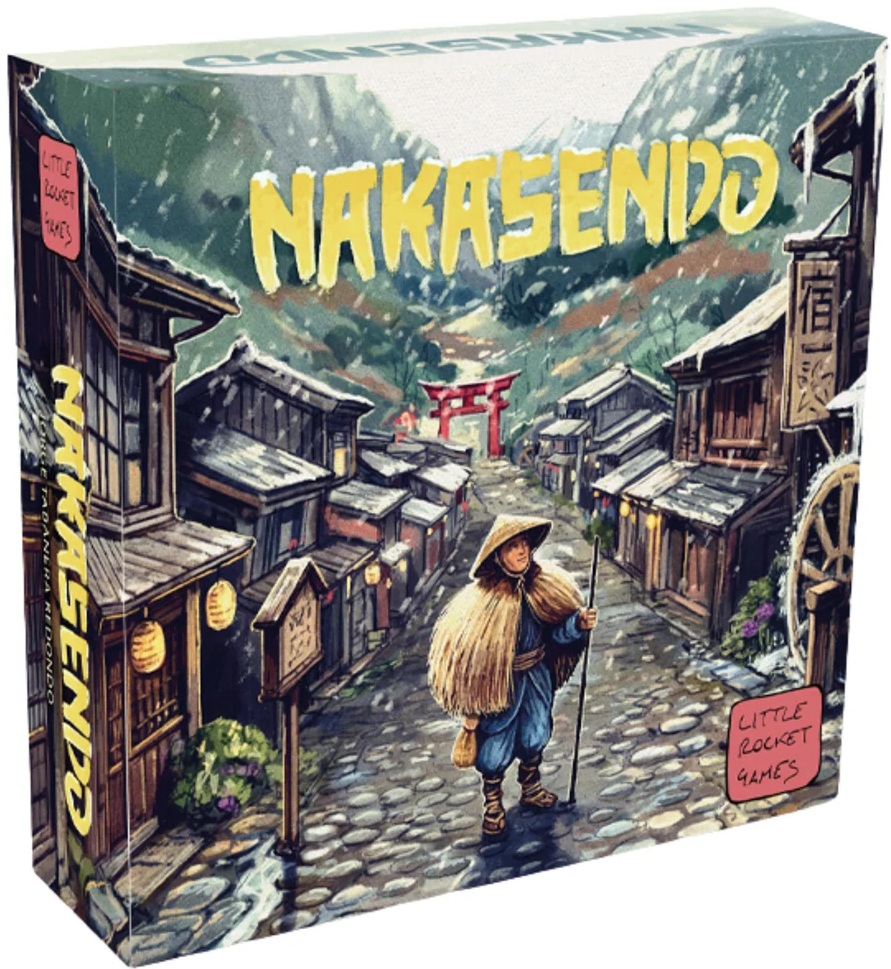
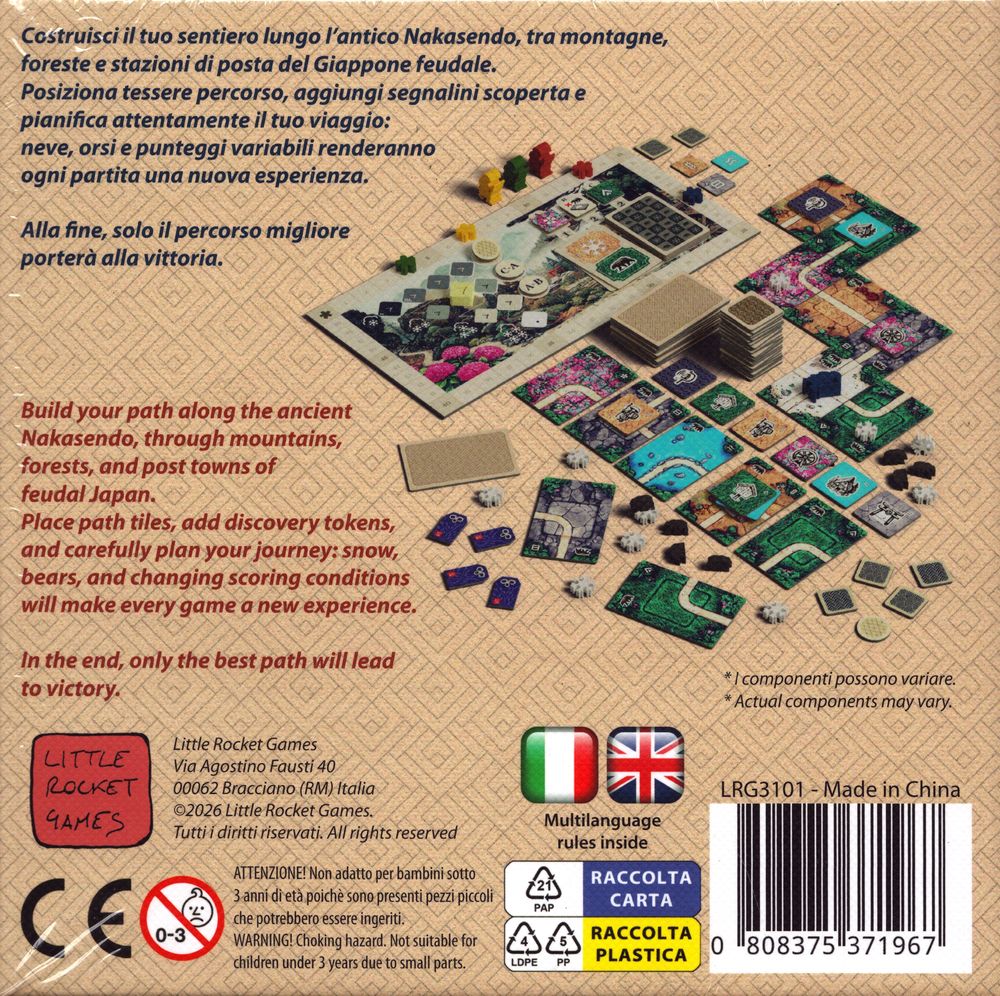
Nakasendo is a tile-laying game for 2 to 4 players. Chart your route between Tsumago and Magome while adapting to changing seasons and objectives.
34,95€
€
€
€

Shipping costs from €1.95 - Free shipping on orders over €60 (metropolitan France)

Your order will be shipped with care

Secure payment
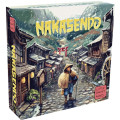
The goal of Nakasendo is to create the most harmonious and rewarding personal journey possible, drawing inspiration from the historic Nakasendo Road, which was traveled during the Edo period between the well-preserved post towns of Tsumago and Magome.
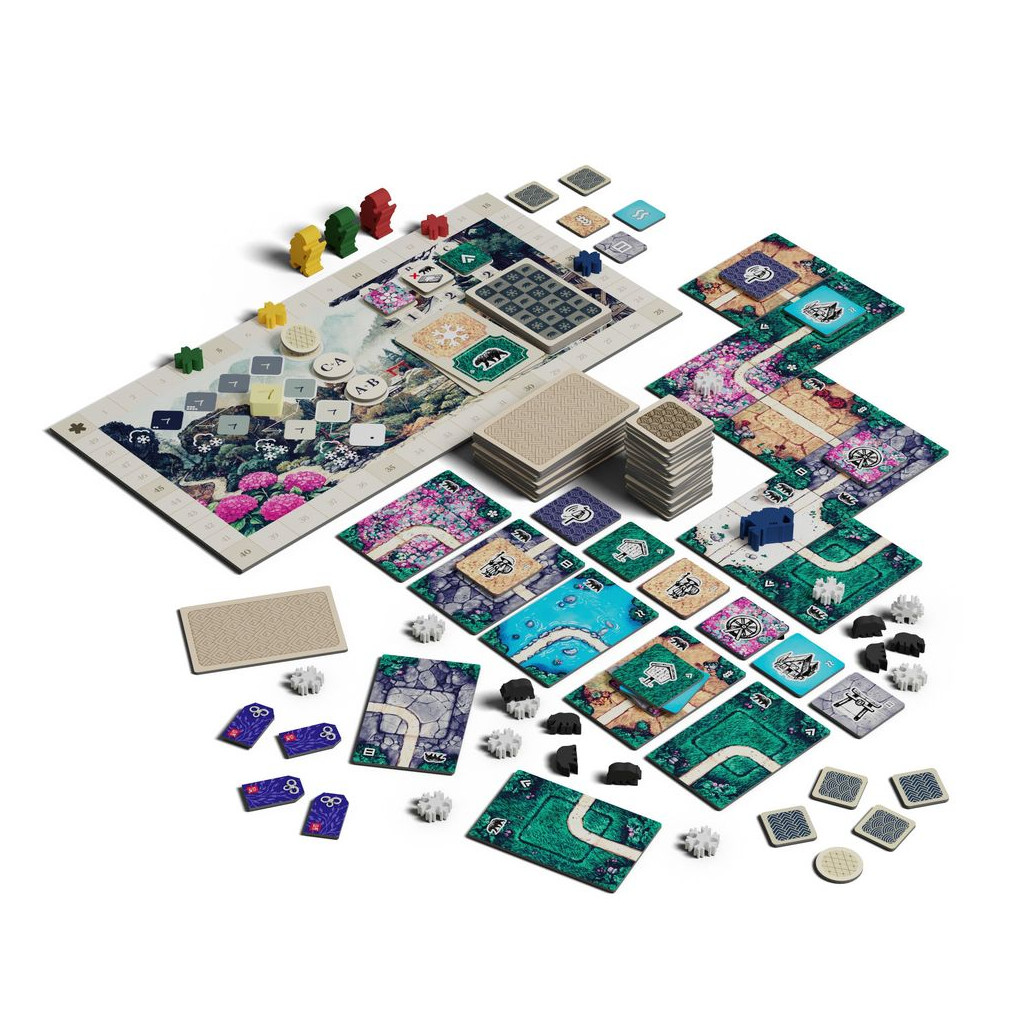
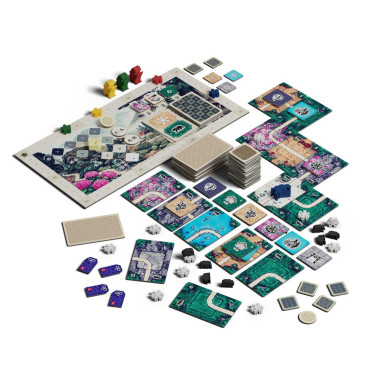
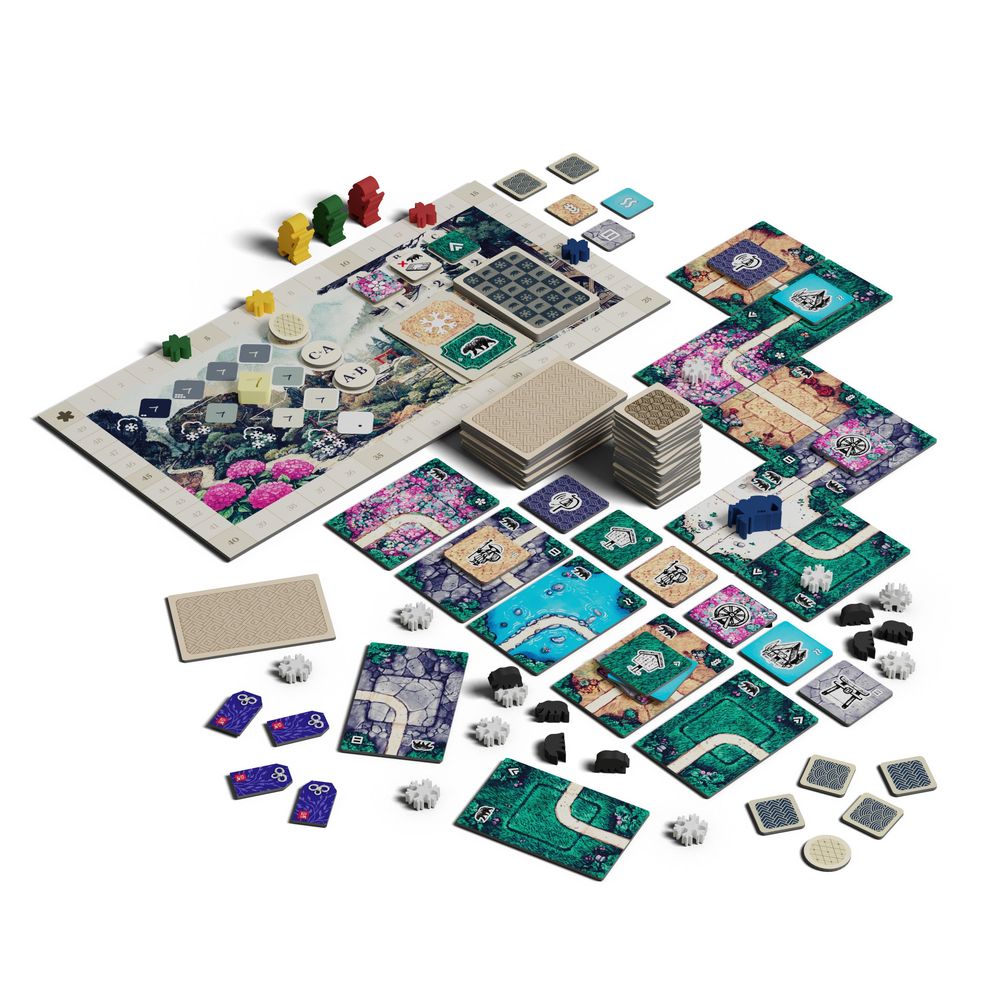
The game combines tile-laying, open drafting, and collecting “Discovery” tokens to craft a route through mountains and cedar forests. Its originality lies in a contemplative and cohesive aesthetic, brought to life by a designer who created both the mechanics and the illustrations, as well as scoring conditions that evolve over the course of the game rather than being fixed from the start.
Each player builds their own route on a personal grid of sixteen spaces by drawing trail tiles representing different types of terrain, as well as Discovery tokens that provide bonuses.
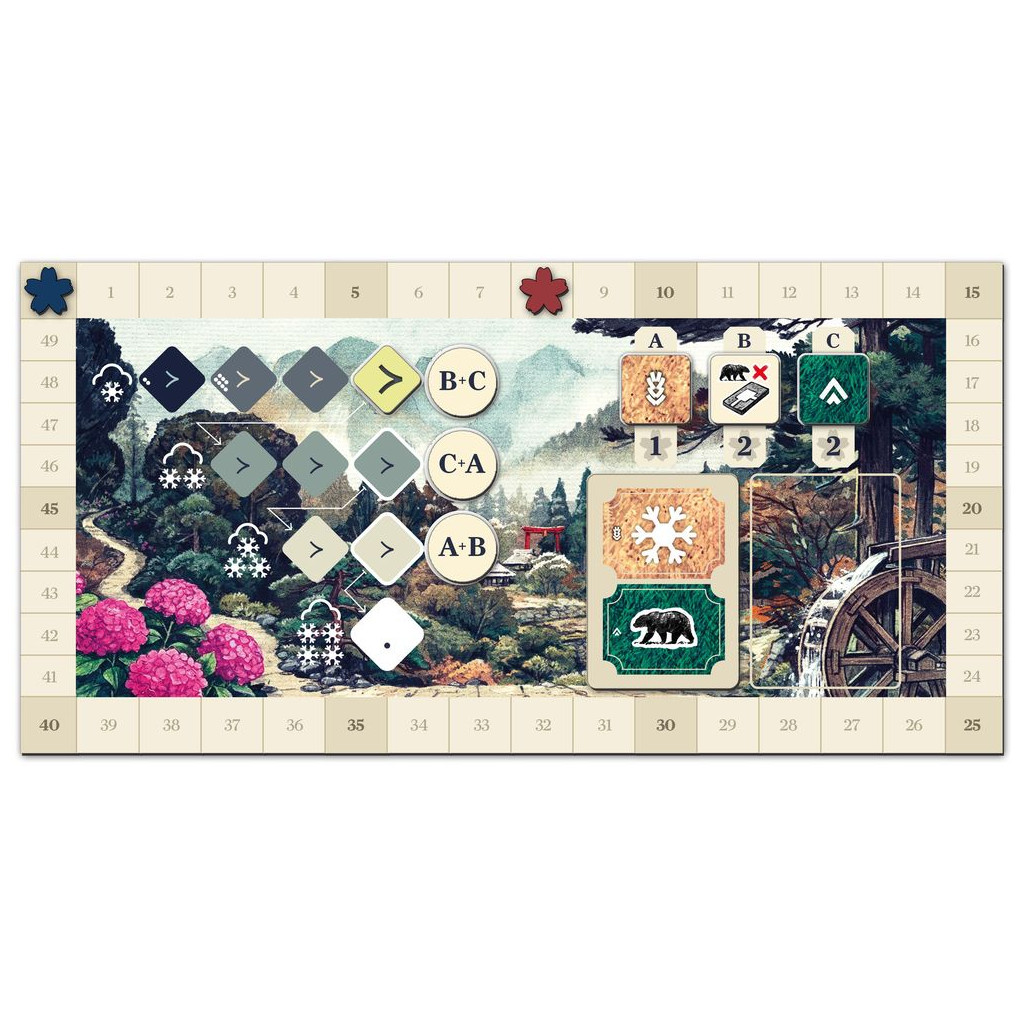
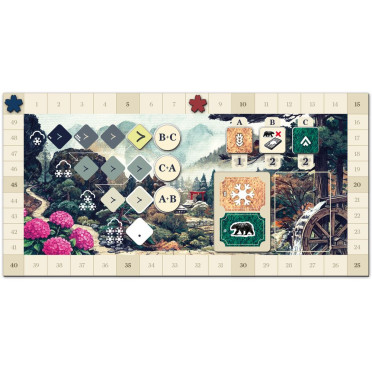
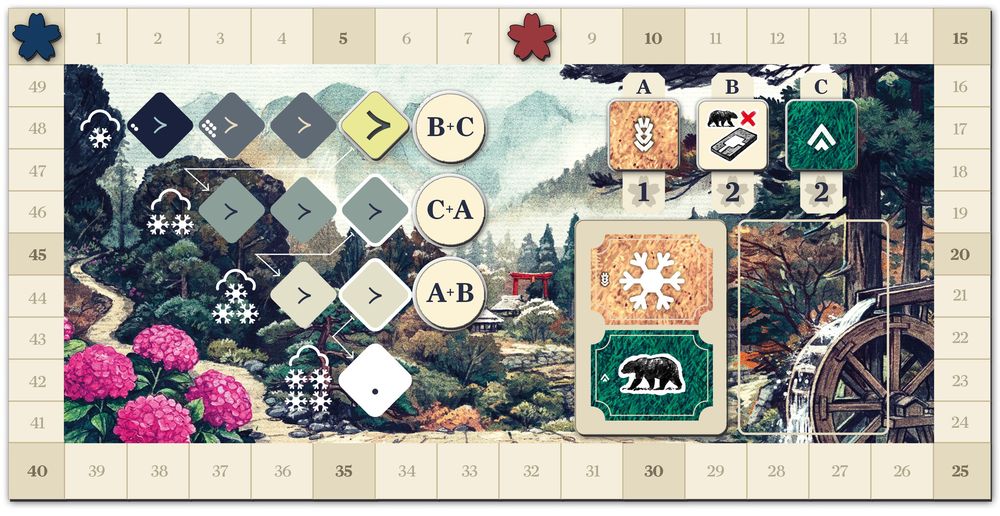
Event cards introduce seasonal twists, such as snow or the appearance of bears, which can block certain passages or alter strategy mid-game, while Score cards gradually reveal new intermediate objectives to fulfill.
Points are awarded based on the harmony of the final route built by each player and the Discovery tokens collected along the way.
Since the conditions for intermediate scores change throughout the game, players must constantly reassess their strategy rather than follow a plan set from the start. The player with the highest score once the final route is completed wins the game.
