Explore all our board games! Right here
Explore all our board games! Right here

Reference: PKT-CVL
61,95€
€
€
€

Shipping costs from €1.95 - Free shipping on orders over €60 (metropolitan France)

Your order will be shipped with care

Secure payment
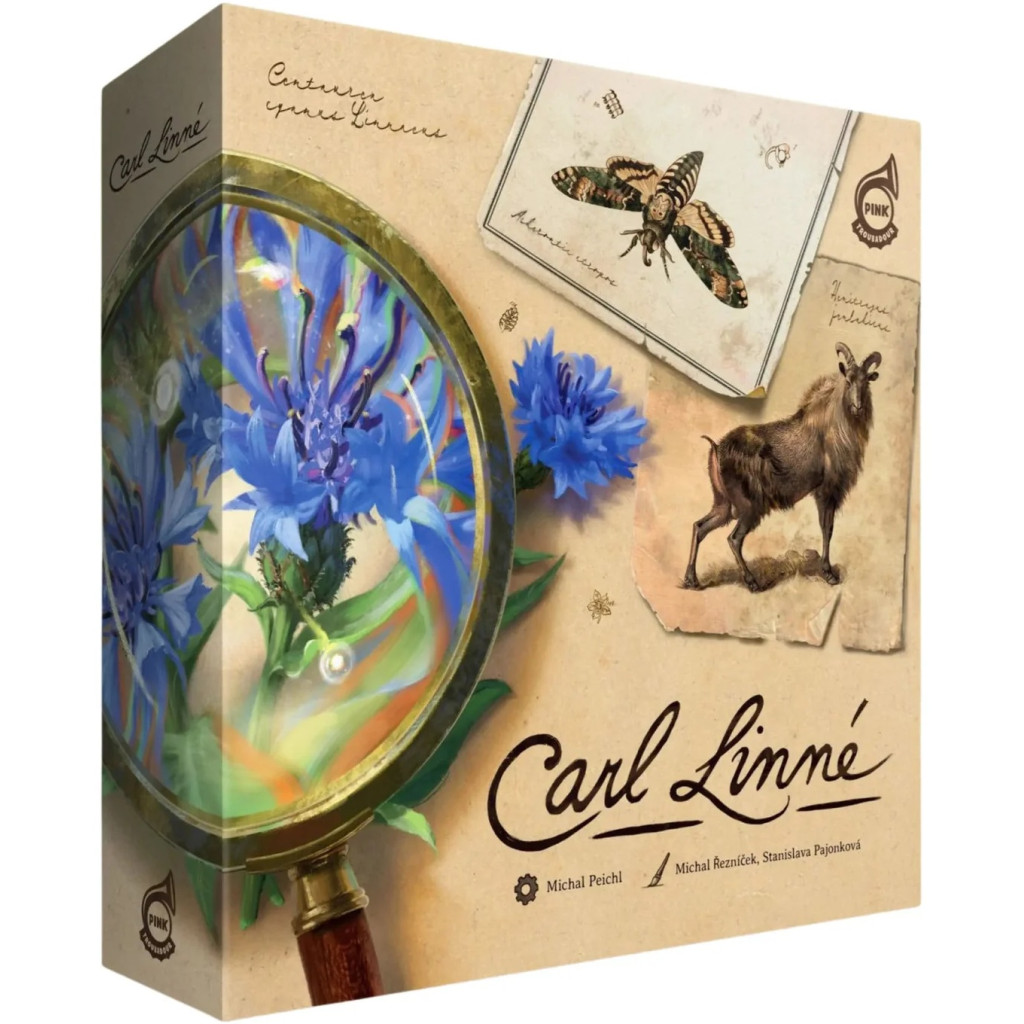
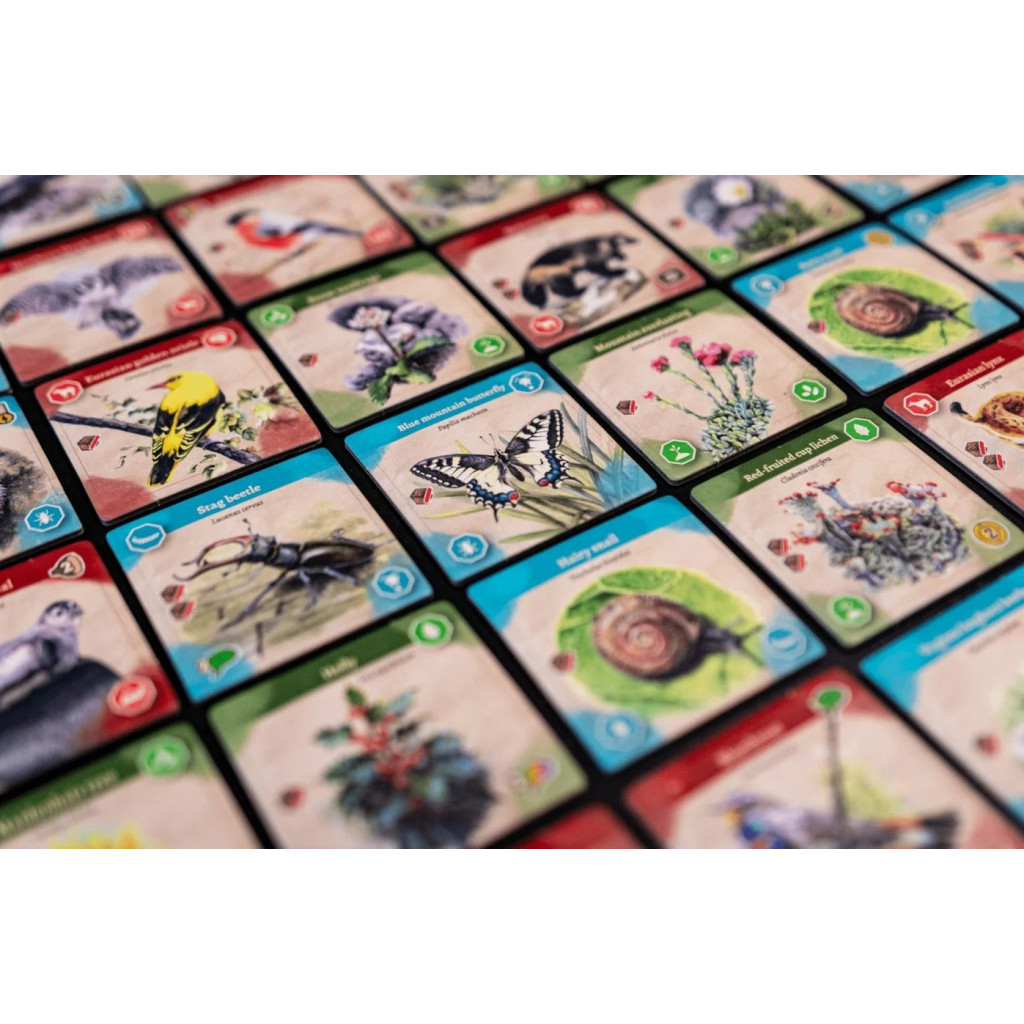
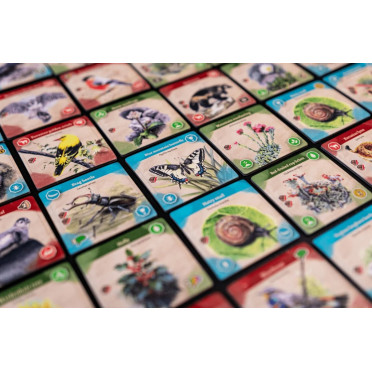
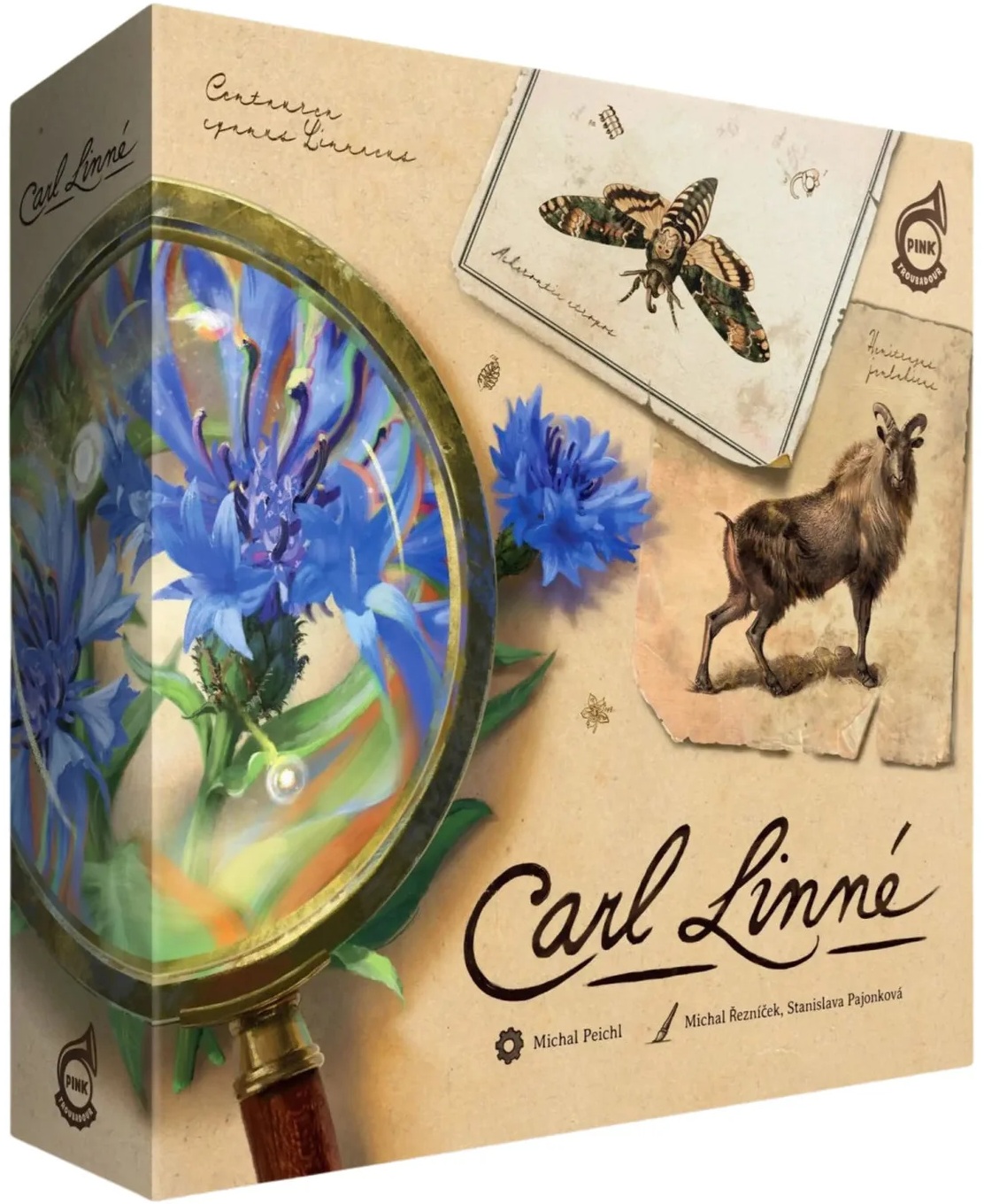
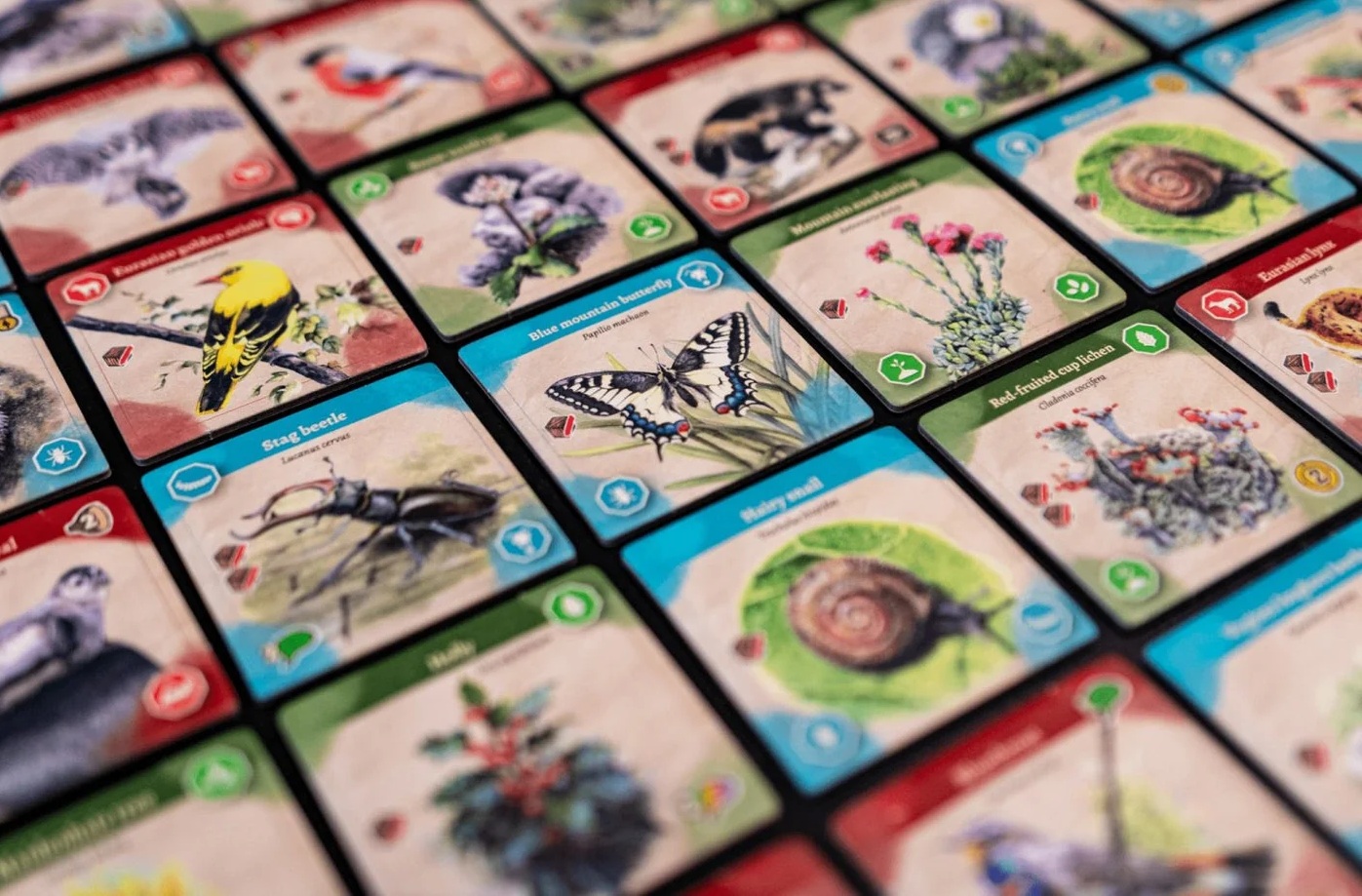
In Carl Von Linné, each player takes on the role of an 18th-century naturalist engaged in the study of living organisms, following in the footsteps of Carl von Linné, the founder of binomial nomenclature. This strategy game has a clear objective: to explore Scandinavia, collect animal and plant specimens, and then study them in order to publish scientific works.
The mechanics are based on a system of lenses – a simple magnifying glass, a magnifying lens or a microscope – each determining the power of the chosen action. This choice of tool is what makes the game unique, as a more powerful lens may become unavailable on the next turn, forcing players to anticipate the sequence of actions over several rounds.
The game forms part of publisher Pink Troubadour’s ‘History of Science’ game catalogue, following on from *Galileo Galilei*.
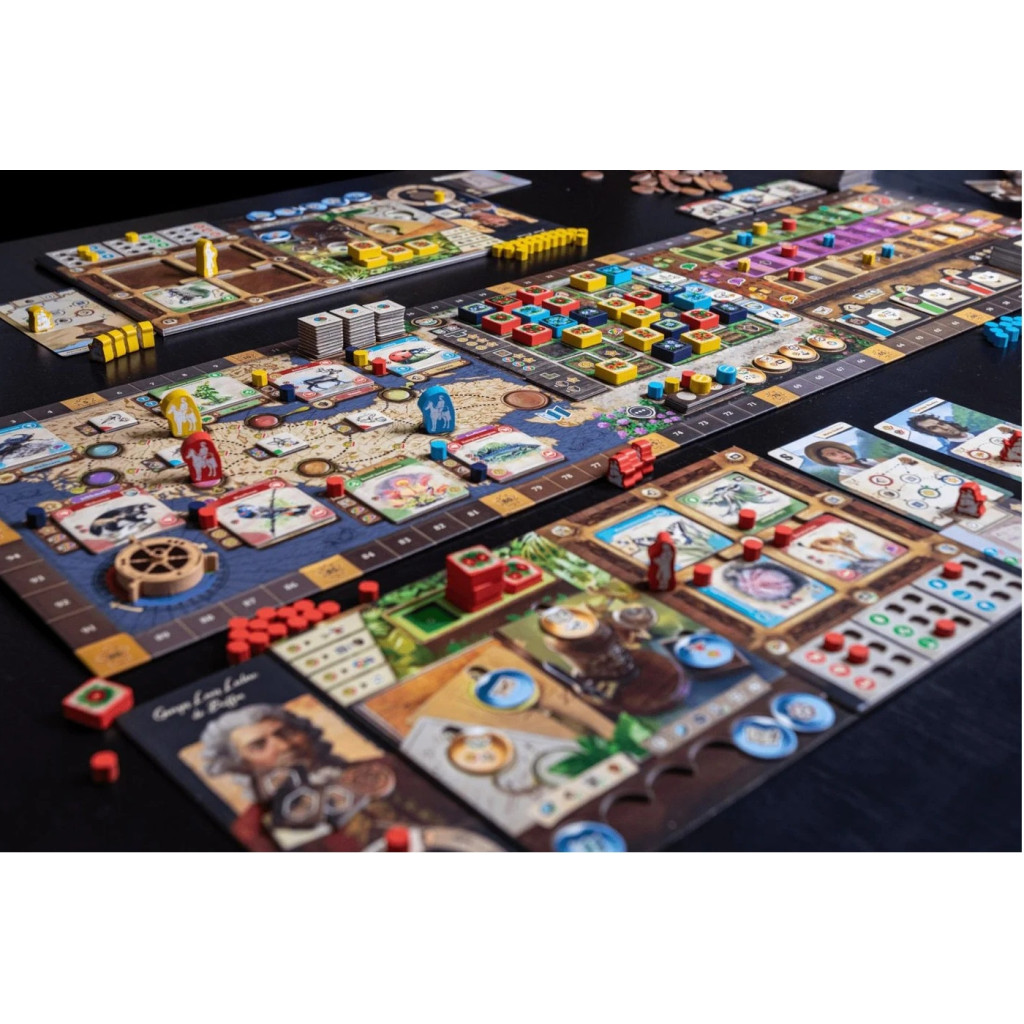
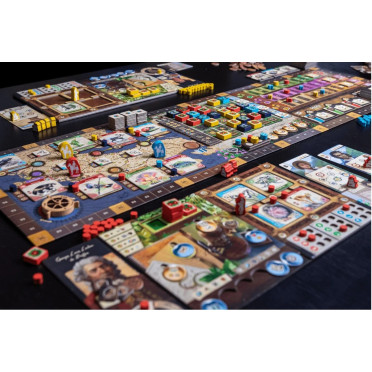
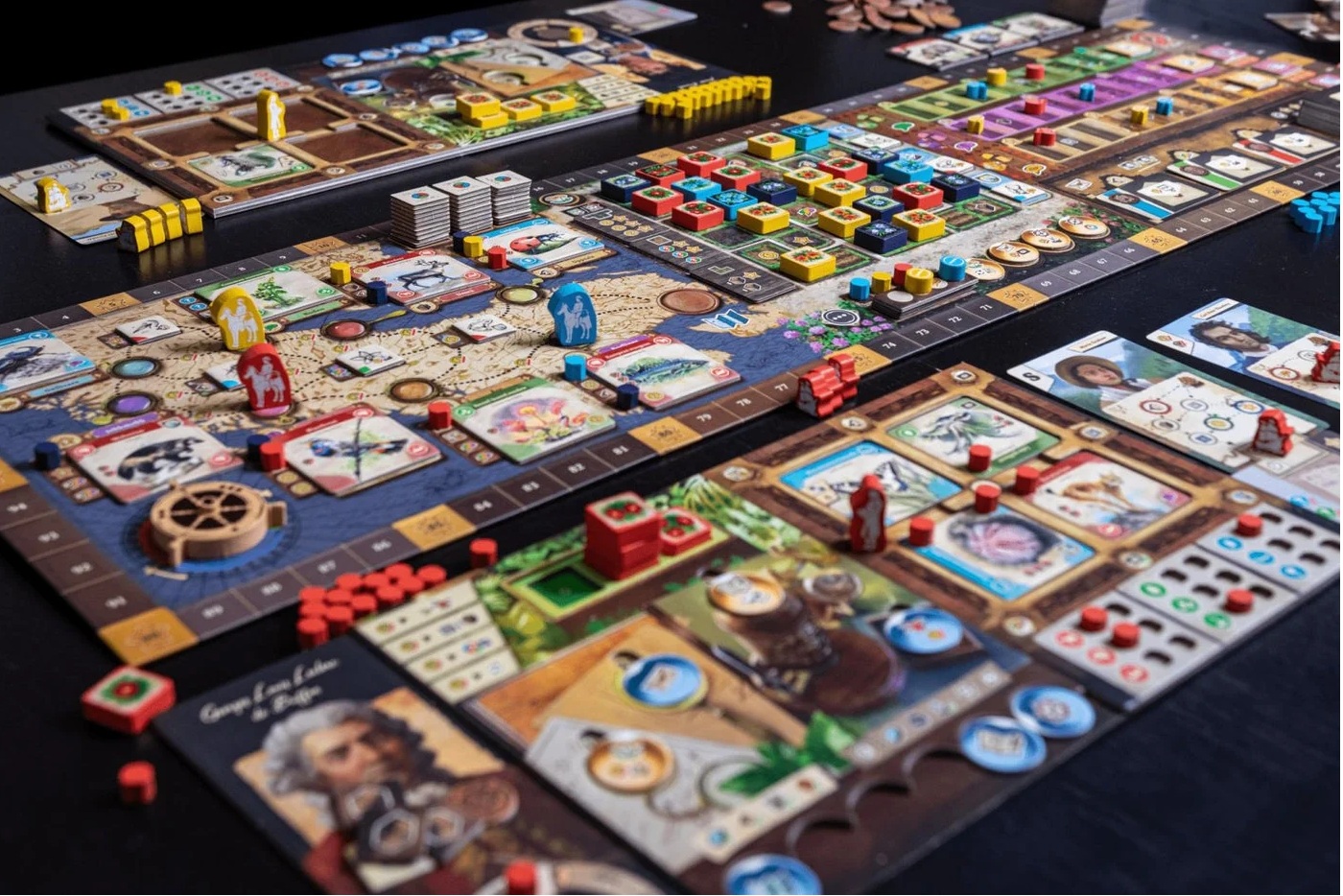
Setting up Carl Von Linné involves placing the main board depicting the regions of Scandinavia, distributing an individual board to each player, and allocating the starting lenses. The game is played over several rounds, during which players alternate between field expeditions to collect specimens and research work to classify them.
Players can also cultivate a personal botanical garden and correspond with scientific institutions to gain bonuses. Each round involves decisions about which optical instrument to use, which shapes each naturalist’s strategic path until the end of the game.
The board distinguishes between expeditions in Scandinavia and journeys to more distant regions, each providing access to different specimens.
A game of Carl Von Linné ends after a number of rounds specified in the rules. The final scoring is based on the reputation and scientific knowledge accumulated by each player through the specimens studied, the gardens cultivated and the works published.
The naturalist who has made the greatest contribution to knowledge wins the game. Games are played with 1 to 4 players, allowing the experience to be tailored from a solo mode to a competition between several naturalists.
